.png)
When discussing renewable energy in the telecommunications sector, the conversation almost always centers around solar panels. While harvesting the sun's energy is the first crucial step, solar panels alone cannot keep a network running. They only generate power during daylight hours. The true backbone of a sustainable, 24/7 base transceiver station (BTS) is what happens after the sun goes down: battery storage.
In the harsh and demanding environments of Nigeria and broader Africa, efficient energy storage is the linchpin that determines the success or failure of a green infrastructure strategy.
Historically, telecom sites relied heavily on Valve-Regulated Lead-Acid (VRLA) batteries. While relatively inexpensive upfront, VRLA batteries present significant operational challenges in African climates:
•Temperature Sensitivity: Lead-acid batteries degrade rapidly in high temperatures. The intense African heat significantly shortens their lifespan, leading to frequent and costly replacements.
•Slow Charging: They require long charging cycles, which is inefficient when relying on limited windows of peak solar generation.
•Depth of Discharge (DoD): Discharging a lead-acid battery too deeply damages it permanently, meaning operators can only use a fraction of its total stated capacity.
Today, the industry is undergoing a massive shift toward Lithium-ion (Li-ion) technology.
Lithium-ion batteries represent a technological leap forward, addressing the critical pain points of older storage methods:
1.Superior Energy Density: Li-ion batteries store significantly more energy in a much smaller footprint, freeing up valuable space at crowded cell sites.
2.High Temperature Tolerance: Advanced Li-ion chemistries (such as Lithium Iron Phosphate - LiFePO4) are far more resilient to extreme heat, dramatically extending their operational lifespan in tropical climates without the need for energy-intensive air conditioning.
3.Deep Cycling and Fast Charging: They can be discharged almost completely without damage and can accept rapid charges. This is perfect for solar hybrid systems, allowing the batteries to soak up maximum solar energy quickly during peak sunlight hours and deploy it deeply throughout the night.
4.Intelligent Management: Modern Li-ion battery banks come equipped with sophisticated Battery Management Systems (BMS). These built-in computers monitor individual cell health, optimize charging, and provide remote telemetry data to network operations centers.
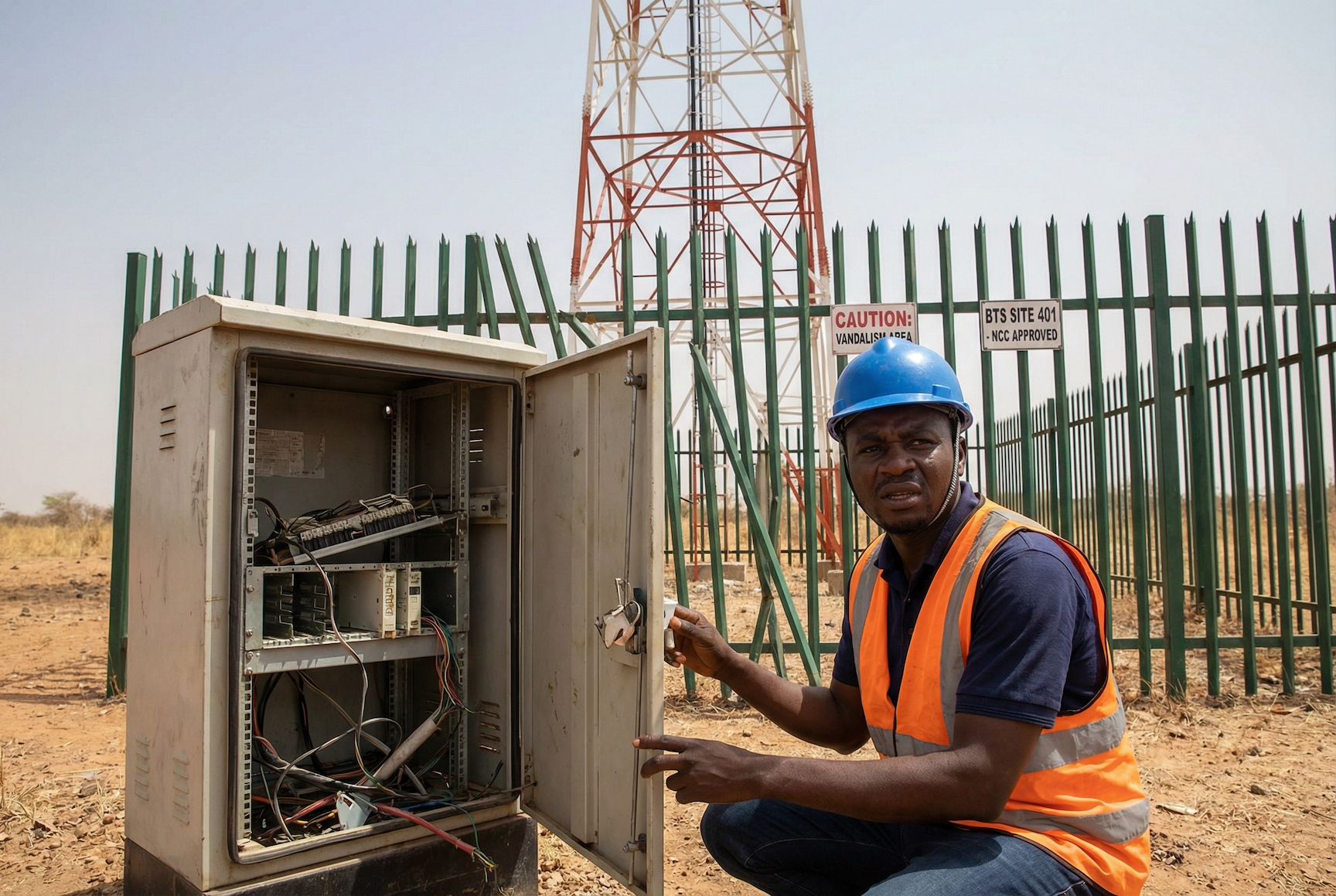
The transition to advanced battery storage is a significant capital expenditure (CAPEX). Because Lithium-ion batteries are high-value assets, they are prime targets for theft and vandalism at remote, unmanned sites.
Optimizing lifecycle costs means more than just managing temperature; it requires robust physical security. Deploying these advanced batteries within industrial-grade, custom-manufactured outdoor enclosures is essential. These cabinets must be rugged enough to withstand physical attacks and equipped with smart, keyless access control systems to ensure that only authorized personnel can interact with the critical power infrastructure.
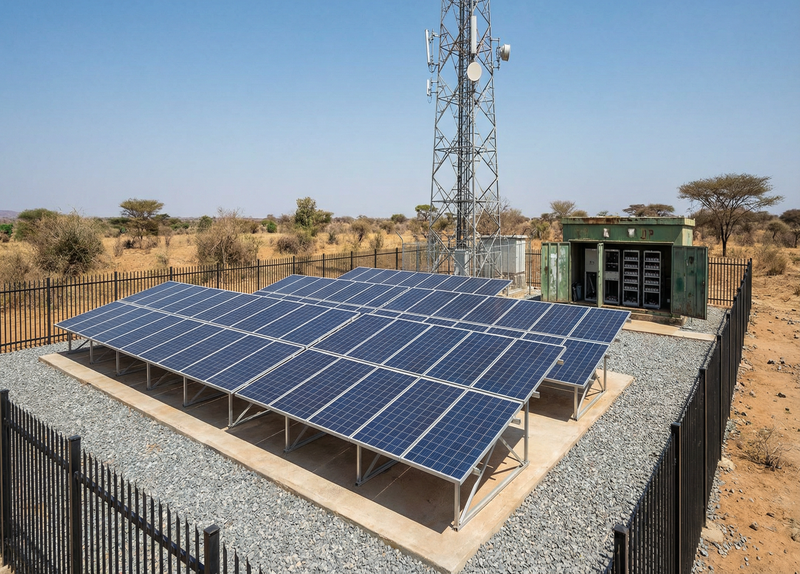
At Vesselnet, we know that a solar panel is only as good as the battery it charges. Through our POWER pillar, we deploy state-of-the-art Lithium-ion storage solutions integrated seamlessly with our solar PV arrays.
Furthermore, our PROTECT and SECURE pillars ensure that these vital assets are housed in tamper-proof industrial cabinets and guarded by intelligent access management systems. By addressing both the technical and security aspects of energy storage, Vesselnet provides operators with the resilient, long-lasting power backbone needed to keep Africa connected.
Vesselnet delivers integrated solutions that power network connectivity, from rapid network deployment to sustainable energy and intelligent access site control solutions.

Your Reliable Partner
Delivering reliable telecom infrastructure, sustainable energy, and network solutions across Nigeria and Africa.


.png)
.png)
.png)
.png)