.png)
Nigeria’s telecommunications sector is a powerhouse ofeconomic growth, recently pushing broadband penetration past the 50% mark andexpanding mobile connections to over 109 million active subscriptions by theend of 2025 [1]. However, this rapid growth masks severe underlying challenges.As data consumption surges—jumping 140% in less than three years—theinfrastructure supporting this digital economy is under unprecedented strain[1].
To sustain connectivity and scale next-generationtechnologies like 5G, operators must confront three critical hurdles: powerinstability, physical vandalism, and the high cost of network deployment.
The Power Deficit: A Billion-Naira Burden
The most pressing challenge for Nigerian telecom operatorsis the lack of reliable grid power. With over 30,000 base transceiver stations(BTS) scattered across the country, operators are heavily dependent on dieselgenerators to maintain network uptime.
This reliance on diesel comes at a staggering financialand operational cost. Volatile fuel prices and the complex logistics oftransporting diesel to remote locations eat into capital that could otherwisebe spent on network expansion. Furthermore, when generators fail or run out offuel, the resulting downtime leads to immediate service disruptions, droppedcalls, and frustrated consumers.
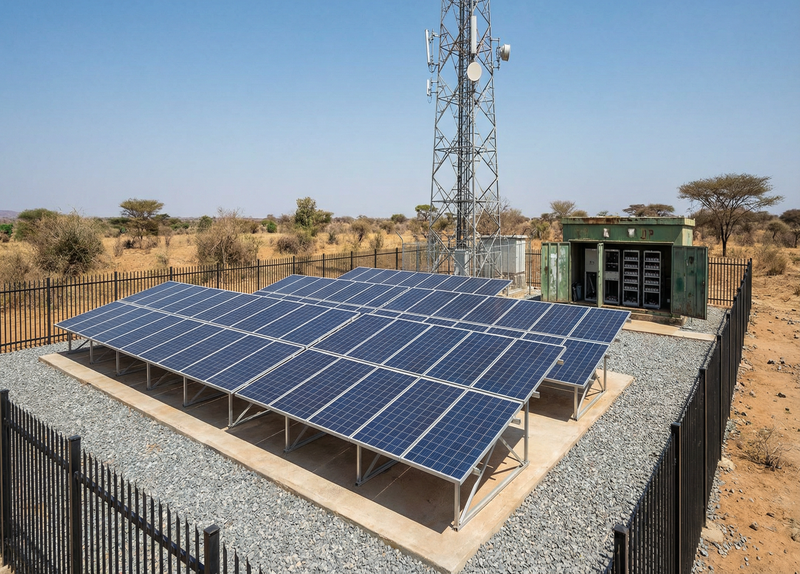
The Solution: The industry ispivoting rapidly toward sustainable energy. Transitioning to hybrid mini-gridsand solar PV systems equipped with advanced lithium-ion battery storage is nolonger optional. These systems drastically reduce diesel consumption, loweroperational expenditure (OPEX), and ensure the 24/7 reliability required forcritical communications.
The Threat of Vandalism and Fibre Cuts
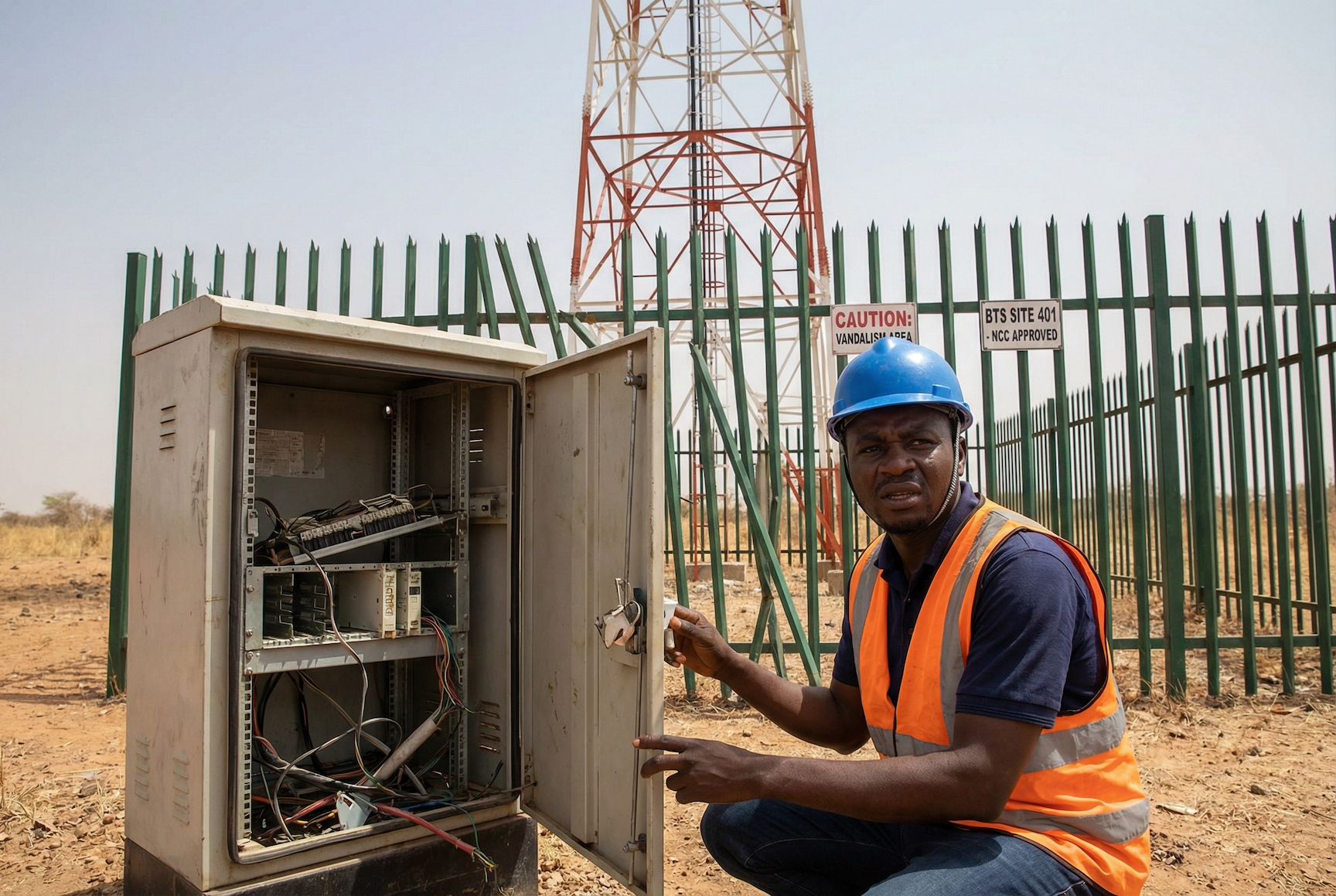
Physical infrastructure in Nigeria remains highlyvulnerable. Telecom assets are frequently targeted by vandals, resulting instolen batteries, damaged equipment, and severed fibre-optic cables. In recentyears, the industry has reported an alarming average of over 1,000 incidents ofvandalism and fibre cuts per week nationwide.
Every severed cable and compromised BTS site translates tonetwork blackouts that paralyze local businesses, disrupt digital banking, andhinder emergency services.
The Solution: Protecting theseassets requires a physical and digital fortification strategy.
1 Industrial-Grade Protection:Deploying rugged, custom-manufactured outdoor transmission cabinets that arehighly resistant to tampering and harsh weather.
2 Intelligent Access Control:Moving away from easily compromised mechanical padlocks to smart, keylesselectronic locking systems. These platforms allow operators to monitor siteaccess in real time, granting and revoking permissions remotely whilemaintaining a strict audit trail.
Deployment Bottlenecks and Capacity Strain
As urban centers become more congested and data demandsskyrocket, networks are feeling the squeeze. The push to roll out 4G and 5Gnetworks requires denser infrastructure and deeper fibre backhaul. However,operators face significant deployment bottlenecks, including exorbitantright-of-way (RoW) charges, multiple taxation, and complex civil works.
The Solution: Overcomingdeployment hurdles requires end-to-end expertise. From precision RF planningand site surveying to rapid civil works and equipment commissioning, executinga seamless rollout is essential. Partnering with experienced infrastructureproviders ensures that sites are built to international standards, on time, andwithin budget, allowing operators to focus on service delivery.
Building a Resilient Future
The path forward for Nigeria’s telecom sector is clear:the infrastructure of tomorrow must be more resilient, secure, and sustainablethan the infrastructure of today.
At Vesselnet, we are committed to solving these exactchallenges. Through our four core pillars—Deploy, Power, Protect, and Secure—weprovide the integrated solutions that telecom operators need to build robustnetworks. By combining rapid deployment with solar energy systems, industrialenclosures, and smart access management, we are helping to build theconnectivity backbone that will power Nigeria’s digital future.
References
[1] BusinessDay. "Nigeria telecom investment reboundsin 2025 but service gaps persist." https://businessday.ng/technology/article/nigeria-telecom-investment-rebounds-in-2025-but-service-gaps-persist/
Vesselnet delivers integrated solutions that power network connectivity, from rapid network deployment to sustainable energy and intelligent access site control solutions.

Your Reliable Partner
Delivering reliable telecom infrastructure, sustainable energy, and network solutions across Nigeria and Africa.


.png)
.png)
.png)
.png)