.png)
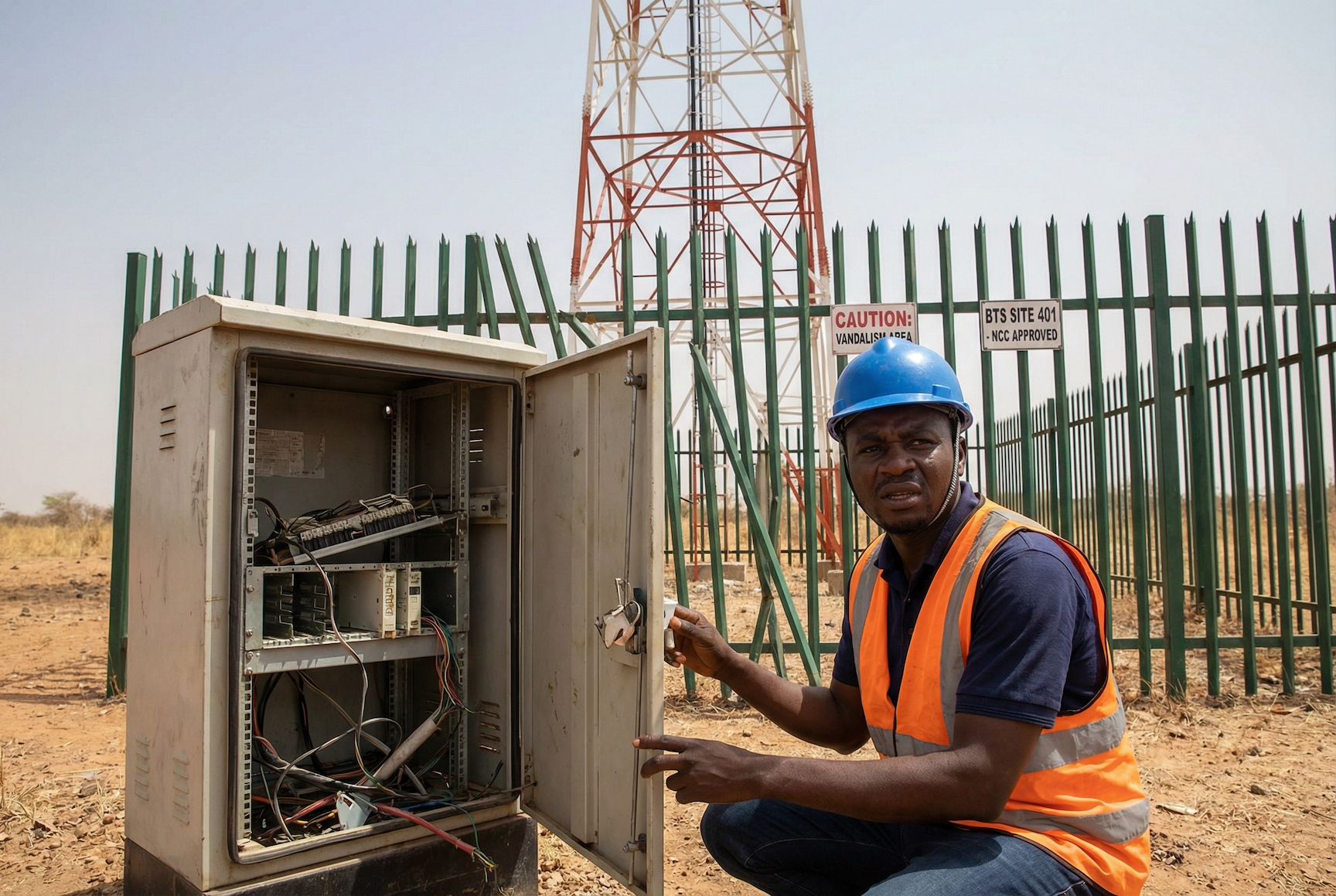
Nigeria's national power grid is notoriously unreliable, frequently suffering from collapses and localized outages. For a telecom operator, downtime is not an option. A dropped network means lost revenue, frustrated customers, and reputational damage. To ensure 24/7 uptime, operators have traditionally deployed twin diesel generators at almost every BTS site.
While this solves the immediate problem of power availability, it introduces a host of financial and logistical nightmares:
1.Volatile Fuel Prices: The cost of diesel in Nigeria has seen unprecedented spikes in recent years, driven by global market dynamics and the removal of local fuel subsidies. This volatility makes financial forecasting incredibly difficult and eats directly into operators' profit margins.
2.Logistical Nightmares: Transporting thousands of liters of highly flammable fuel to remote, hard-to-reach cell sites is a massive logistical undertaking. It requires a fleet of trucks navigating poor road infrastructure, often facing delays and security risks.
3.Theft and Pilferage: Diesel is a highly liquid asset—both literally and figuratively. Fuel theft at BTS sites is rampant, forcing operators to invest heavily in security measures, smart locks, and monitoring systems just to protect their fuel supply.
4.Maintenance Burden: Diesel generators require constant maintenance. Oil changes, filter replacements, and engine overhauls are frequent necessities. When a generator breaks down, dispatching a maintenance crew to a remote site adds another layer of operational expenditure (OPEX)
The narrative around renewable energy in telecom used to be purely about corporate social responsibility (CSR) and reducing carbon footprints. Today, it is a hard-nosed economic imperative. Solar power is no longer just a "green" initiative; it is a survival strategy.
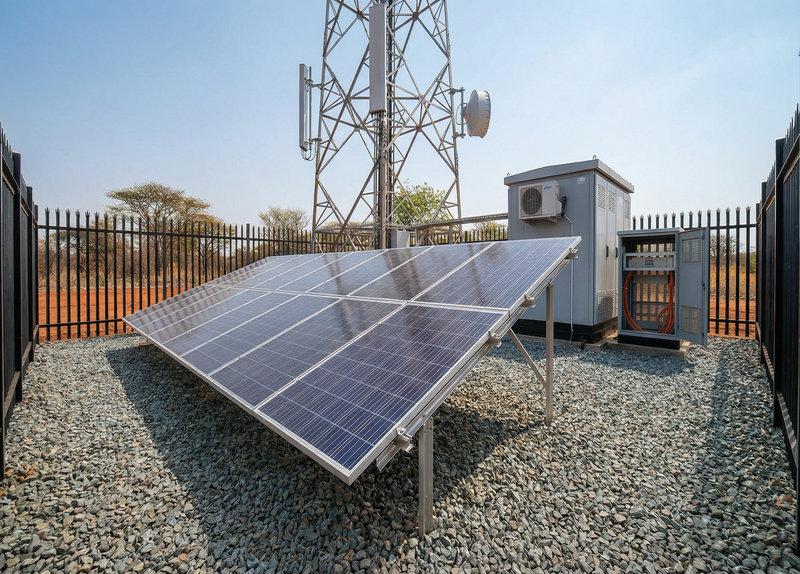
Transitioning to solar photovoltaic (PV) systems offers a compelling return on investment (ROI). By installing solar arrays and advanced battery storage systems, operators can drastically reduce their generator runtimes. Instead of running a generator 24 hours a day, a hybrid system might only require the generator to run for a few hours to top up batteries during prolonged periods of poor weather.
The financial benefits are immediate and substantial:
•Slashed OPEX: Reduced diesel consumption directly translates to lower operational costs.
•Predictable Energy Costs: Unlike diesel, sunlight is free and immune to global market fluctuations.
•Extended Equipment Lifespan: Running generators for fewer hours extends their lifespan and reduces maintenance frequency.
At Vesselnet, we recognize that solving the power equation is critical to the future of African telecommunications. Through our POWER pillar, we design and deploy robust solar and hybrid energy solutions tailored specifically for the harsh demands of telecom infrastructure.
We don't just install panels; we engineer comprehensive power systems that integrate seamlessly with existing infrastructure, ensuring maximum efficiency and reliability. By helping operators pivot away from diesel, we are not only improving their bottom line but also contributing to a cleaner, more sustainable digital future for Nigeria.
The true cost of diesel is simply too high to ignore. The pivot to solar is not just the right thing to do; it is the smart thing to do.
Vesselnet delivers integrated solutions that power network connectivity, from rapid network deployment to sustainable energy and intelligent access site control solutions.

Your Reliable Partner
Delivering reliable telecom infrastructure, sustainable energy, and network solutions across Nigeria and Africa.


.png)
.png)
.png)
.png)
.png)